Carob

The Lebanese Farmers’ Chocolate That Europe Is Learning to Love
By Lina Saad
A Family Sweetness
When I think of my grandfather, I see a plate: thick, glossy carob molasses swirled with tahini, scooped up with warm Arabic bread. Jedo would eat it slowly, then raise a glass of brandy with a chuckle. For him, carob was not an alternative to anything—it was a gift of energy and warmth from the land.
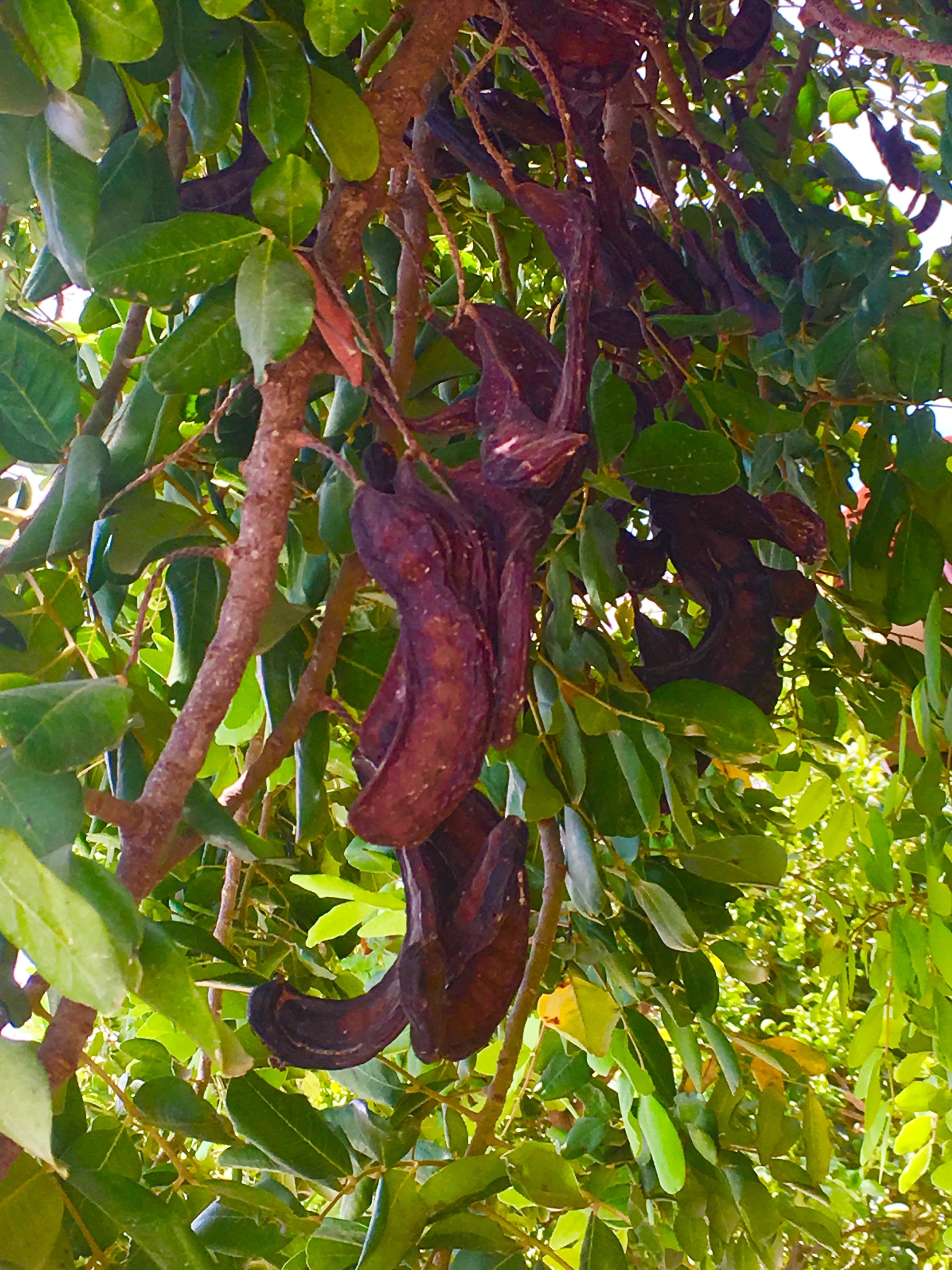
That ritual still lives on each September when I visit my parents-in-law in Lebanon. My father-in-law climbs the carob trees to shake loose the long, brown pods. Some are sold raw, while my mother-in-law transforms the harvest. She makes two things: jars of sweet, syrupy molasses that last through the winter, and m’kika, a vivid green drink from raw pods. The latter divides opinion—like Marmite, you either love it or hate it. (I am firmly in the “not for me” camp!)
When I return to London, I always pack a tub of molasses. I call it Lebanese farmers’ chocolate: sweet, sustaining, and rich with history.
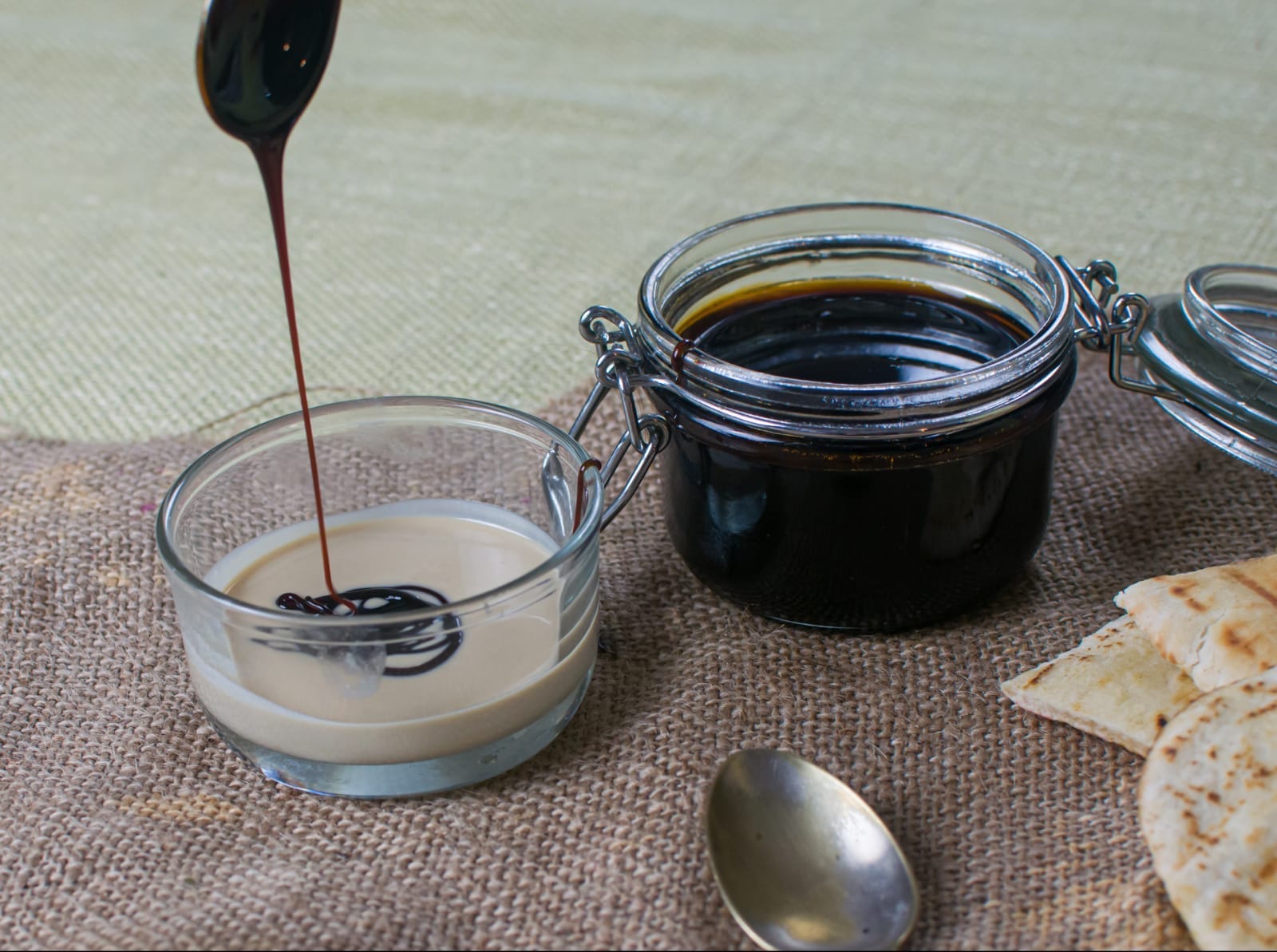
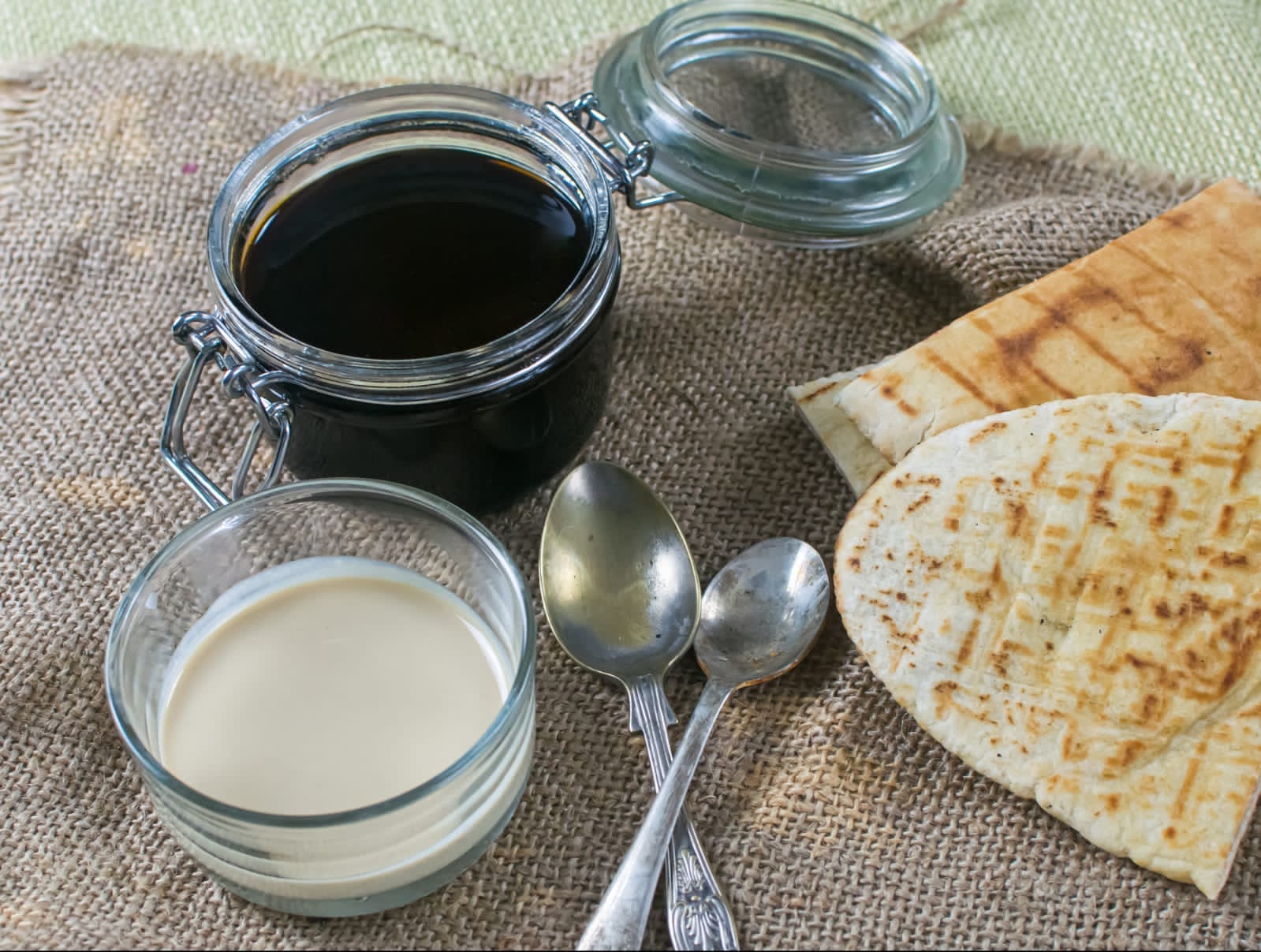
©️All That’s Lebanese by Lina Saad
What Exactly Is Carob?
Carob comes from the pod of the Ceratonia siliqua tree, native to the Mediterranean. Once dried or roasted, the pods are ground into powder or pressed into syrup. Across Lebanon, Syria, and Cyprus, carob molasses is a traditional pantry staple, eaten with tahini, stirred into porridge, or drizzled over bread.
Carob has been known in Europe for centuries, but for a long time it was dismissed as animal fodder or a poor man’s substitute for cocoa. Now, it is making its way back onto shelves, this time as a health food in its own right.
Why Carob Is Different from Chocolate
Carob is often compared to cocoa, but it really deserves its own identity.
• Naturally sweet: Unlike cocoa, carob doesn’t need much added sugar.
• Caffeine-free: Good for children or anyone avoiding stimulants.
• Low in fat, high in fibre: Easier on the waistline and the gut.
• Rich in calcium: Good for bone health.
• Gentle on digestion: No oxalates, which can block calcium absorption.
Carob doesn’t taste like chocolate; it has its own earthy sweetness, a little toasted and nutty. Once you stop comparing the two, you start to appreciate carob on its own terms.
Across Europe, carob is enjoying a quiet resurgence. In Portugal and Spain, carob orchards are being revived, with pods turned into powders and syrups for export. In Australia, boutique brands are selling “premium carob chocolate” as a naturally sweet, child-friendly treat. In northern Europe, jars of carob syrup are appearing alongside maple and date syrups in health food shops.
It seems that what was once seen as old-fashioned is now part of the clean-eating, plant-based movement.
Carob in the Kitchen
So how do you use carob at home? Think of it as a gentle sweetener, somewhere between dates and cocoa.
• Carob molasses with tahini: The classic Lebanese breakfast or snack. Mix equal amounts, spread on toast or dip bread.
• Smoothies: Add a spoon of carob powder for natural sweetness and depth.
• Baking: Substitute carob powder for cocoa in cakes, muffins, or brownies for a lighter, caffeine-free option.
• Porridge or yogurt: Swirl in carob molasses instead of honey or maple syrup.
• Energy bites: Blend carob powder with dates, nuts, and seeds, then roll into snack balls.
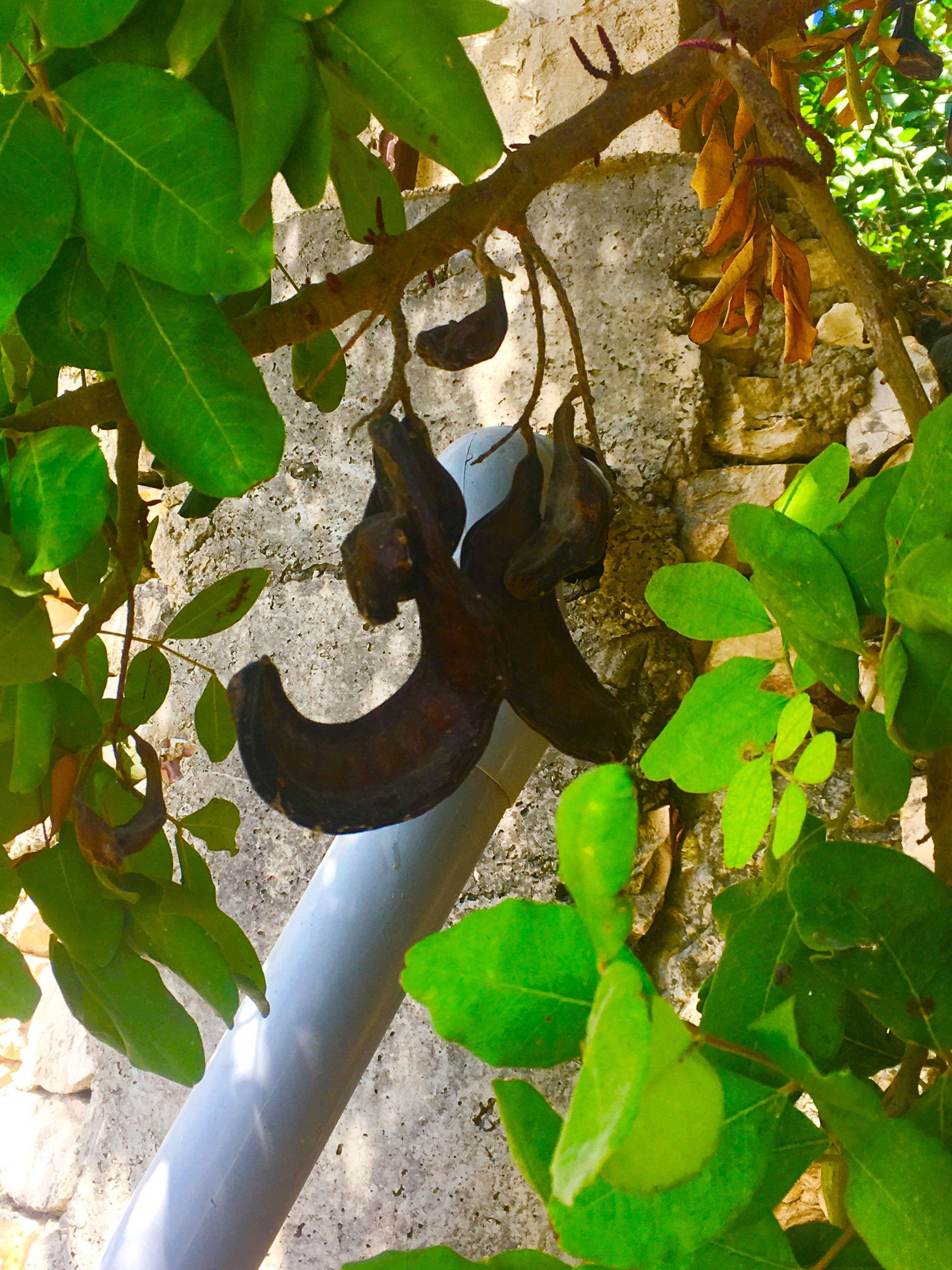
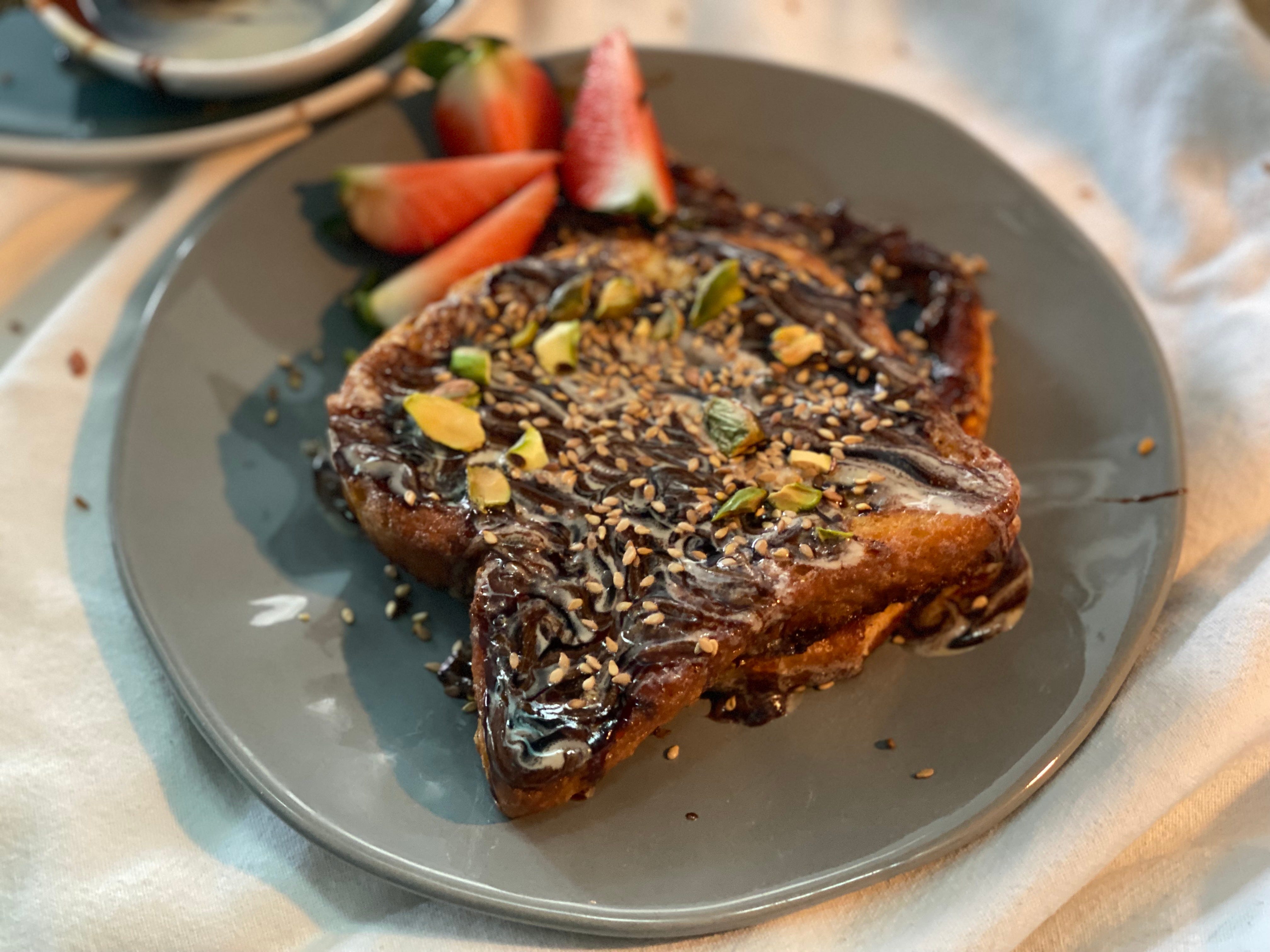
©️All That’s Lebanese by Lina Saad
A Personal Favourite: Carob-Tahini Spread
This simple mix is what I grew up with.
Ingredients
• 2 tbsp carob molasses
• 2 tbsp tahini
• Fresh bread or toast - for a gourmandise try a brioche slice 👌
Method
1. Mix the molasses and tahini in a small bowl until smooth.
2. Spread on bread or use as a dip.
Optional: add a sprinkle of sesame seeds or crushed walnuts.
It’s rich, nutty, sweet, and utterly satisfying.
Carob trees are also a crop for the future. They are hardy, drought-resistant, and thrive on poor soils. In a warming climate, carob offers farmers a low-input crop that supports biodiversity and resists erosion. For consumers, that makes every spoonful not just tasty, but environmentally sound.
From Lebanon to Your Table
For me, carob is memory and heritage. It reminds me of evenings in my grandparents’ home, of my father-in-law’s calloused hands shaking pods from ancient trees, of my mother-in-law stirring molasses into a bubbling pot.
But it is also a food that deserves a place in modern kitchens. Whether in smoothies, energy bars, or cakes, carob is not just a substitute for chocolate, it is a sweetener with a story.
So the next time you see a jar of carob molasses or a bag of carob powder, give it a try. Taste it not as an imitation, but as itself: the Lebanese farmers’ chocolate, waiting quietly for its moment to shine.
©️©️ All That’s Lebanese by Lina Saad
I love this! Thank you for bringing our beautiful culture to the world. I adore reading your personal experiences, and seeing the photos from Lebanon. Long live Lebanon! ❣️