Finding My Way Back Home

A Migrant’s Journey Through Memory, Food, and Belonging
By Lina Saad
They say, “a lucky Lebanese is born outside Lebanon.” Is that so?
Maybe. But also, my father and his siblings were born outside Lebanon too. Still, I was the only child in my family raised in Lebanon, without my parents, under the care of my grandparents in Beirut. I witnessed war. I heard the whistling of Israeli bombs over Beirut and the South. I lived through the chaos of the civil war that ripped through our streets and continues to echo through our days.
My life has been stretched across places, between Sierra Leone and Beirut, then eventually to London, where I began my postgraduate studies. But no matter how far I travelled, a quiet pull always tugged at my heart: a call to return, to remember, to reconnect with Lebanon.
In 1998, I began writing my first collection of Lebanese mezze recipes. I wanted to offer the public more than dishes, I wanted to share identity, history, and love. As a Lebanese student in the UK, I carried that pride with me everywhere. At the restaurant on Warren Street, we offered not just Lebanese food but an entire experience: from the warmth of the welcome to the boldness of Lebanese wine paired perfectly with mezze and grilled meats. We guided our guests. Which mezze suits lunch? Which fits a leisurely dinner? What does this wine taste like from the renowned valleys-of the Beqaa?
I even introduced our traditional farmer’s breakfast: a stainless-steel tray holding labneh, za’atar, eggs with sumac, olives, bread, and fresh vegetables. It was my love letter to Lebanon, to mornings with my Aunt Samia, and to the kitchen table of my grandparents’ home.
Then life shifted. I met my partner and stepped away from the restaurant world to pursue a corporate career. From retail banking to talent acquisition and consultancy, my professional journey unfolded across the UK. My husband’s NHS training moved us often, but no matter where we went, my heart never stopped longing to represent Lebanese people and their food with dignity and joy.
I never stopped learning. I mastered new recipes. I researched origins and techniques. Food became my invisible thread, connecting me to something sacred, to my roots, even as I lived far from them.
Motherhood arrived with a different rhythm. I gave birth to my son, now 18 and left to university. (It’s surreal, how quickly they grow and how hard it is to let them go.) Two years later, my daughter came into the world, and somewhere in between, I fell into the shadows.
I struggled with postpartum depression. First mild, then debilitating. I cried at dusk, overwhelmed by a loneliness I couldn’t explain. I carried deep fears, of losing my children, of war returning, of being far from them if something happened. I battled these thoughts quietly, while raising two toddlers who needed me whole.
And so, I cooked.
With every grain of rice, every pot of yakhni, even simple fried chips and tabbouleh, came tears. But also healing. Cooking brought back Aunt Samia’s embrace, the way she’d brush my hair while stirring a pot, the safety I felt despite the war outside.
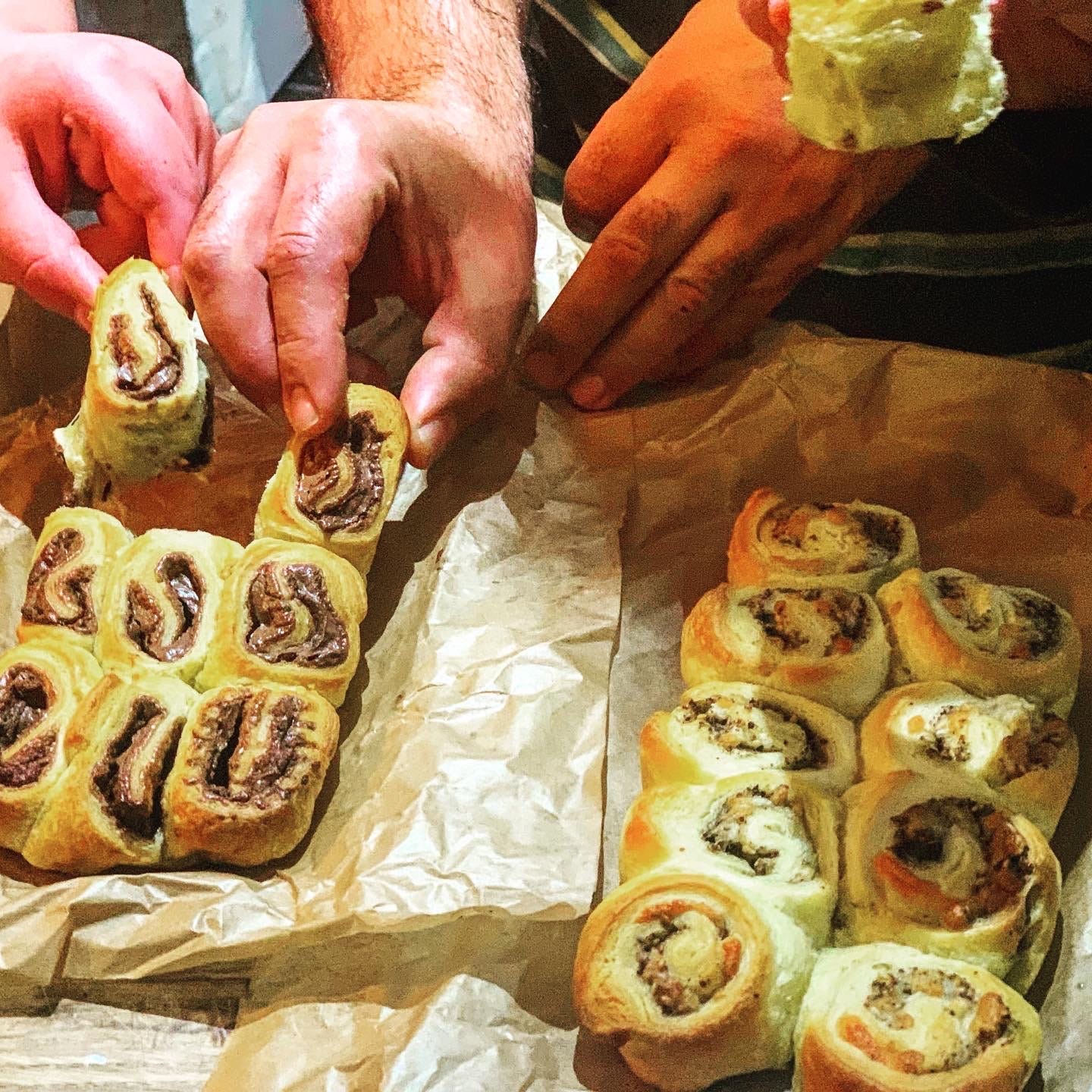
Through food, I nurtured my children, but I also nurtured myself. I fed my grief, my memories, and slowly I found myself again. Not as the person I once was, but as someone who understood the quiet power of holding on to your culture through the smallest acts, offering za’atar at breakfast, preparing kibbeh on Sundays, telling my children where this dish came from and why it mattered.
In 2011, I made a decision that changed the direction of my healing, I sought Cognitive Behavioural Therapy. By 2013, I was officially discharged. I had learned how to manage my thoughts, my fears, and the deep undercurrent of sadness that had once consumed me.
Around that time, I began contributing recipes to a monthly magazine. It brought me joy and gave me purpose. Writing made me feel whole again. I continued working on my first cookbook, a deeply personal project, part recipe collection, part memoir. Each chapter connected me to my childhood, to Beirut, to the kitchen table where my grandfather once broke bread with us all.
When he passed away in 2011, something within me shifted. I made a vow, to live through food, to write, to document, to carry his legacy forward. He was the kind of Lebanese man who worked with a stubborn dignity, who loved deeply, and who saw food not just as sustenance but as a celebration of life and family.
I followed through, even when doors didn’t open. Despite rejections from traditional publishing houses, I pressed on, doing it my way. The recipes kept flowing, so did the stories, and little by little I began building a bridge between my past and my present.
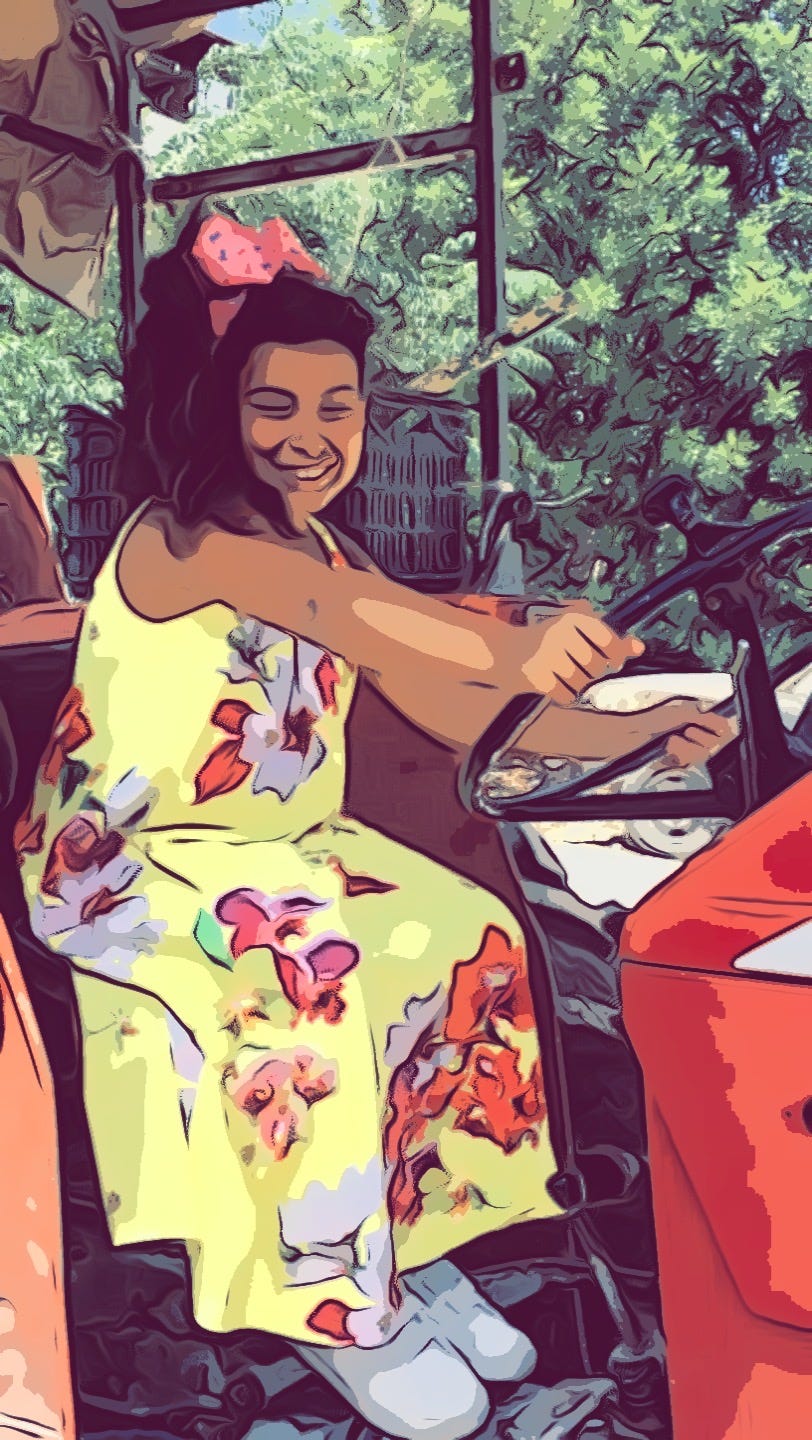
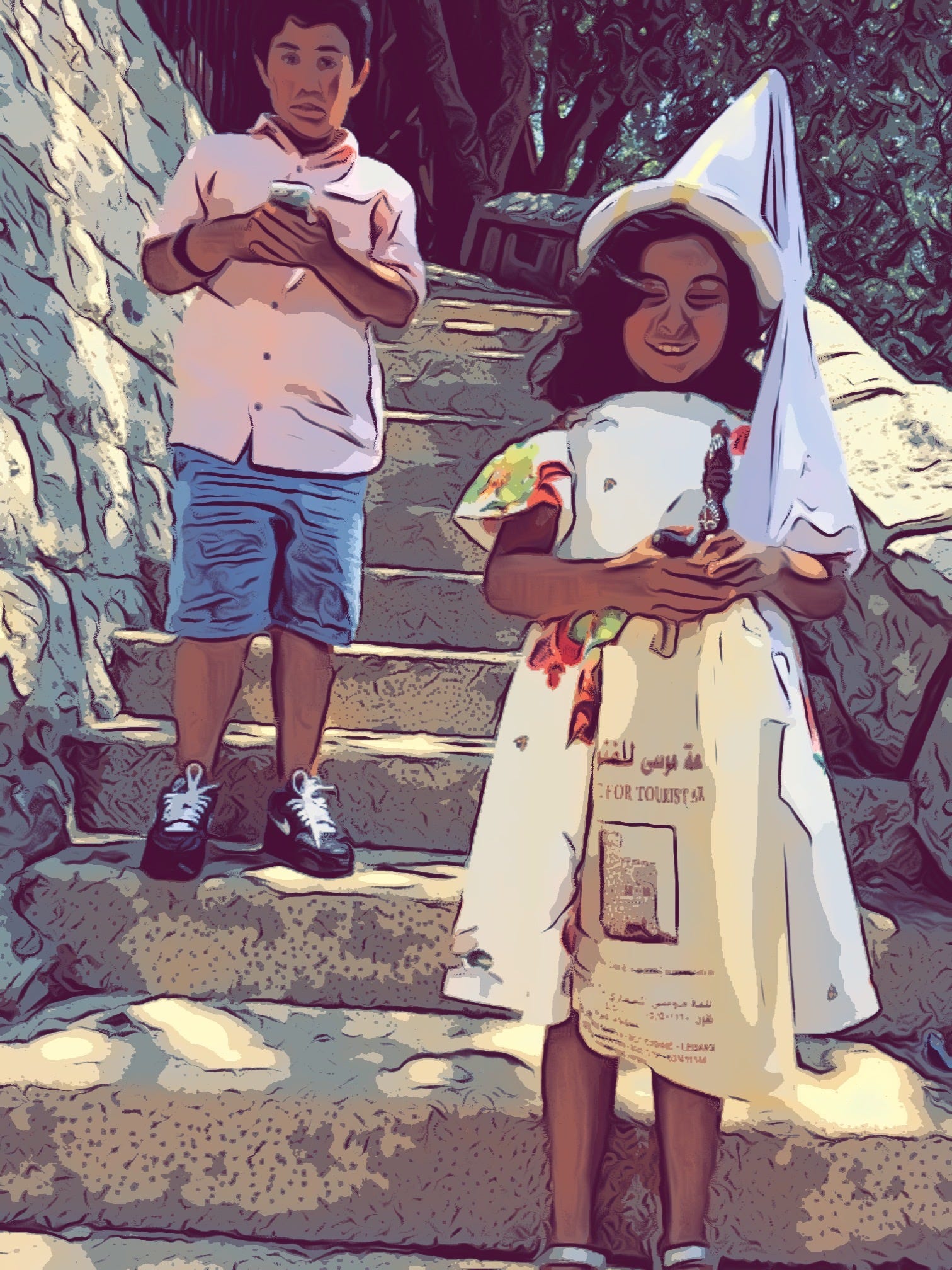
Revisiting Lebanon with my children became essential, at least twice a year. We didn’t just stay in city apartments. We spent nights in farmers’ homes in the eastern Beqaa, wandered the ruins of Baalbek, and enjoyed the comfort of elegant hotels in Byblos and Batroun. These were more than holidays. They were immersive lessons in culture, taste, memory, and identity.
I wanted my children to walk every kilometre with their senses open. To taste everything, even if they didn’t like it. Hold that moment, I’d say. Why didn’t you like it? Was it too pungent? Too flaky? Tell me why. It wasn’t about loving every bite. It was about creating a dialogue. A memory. A connection.
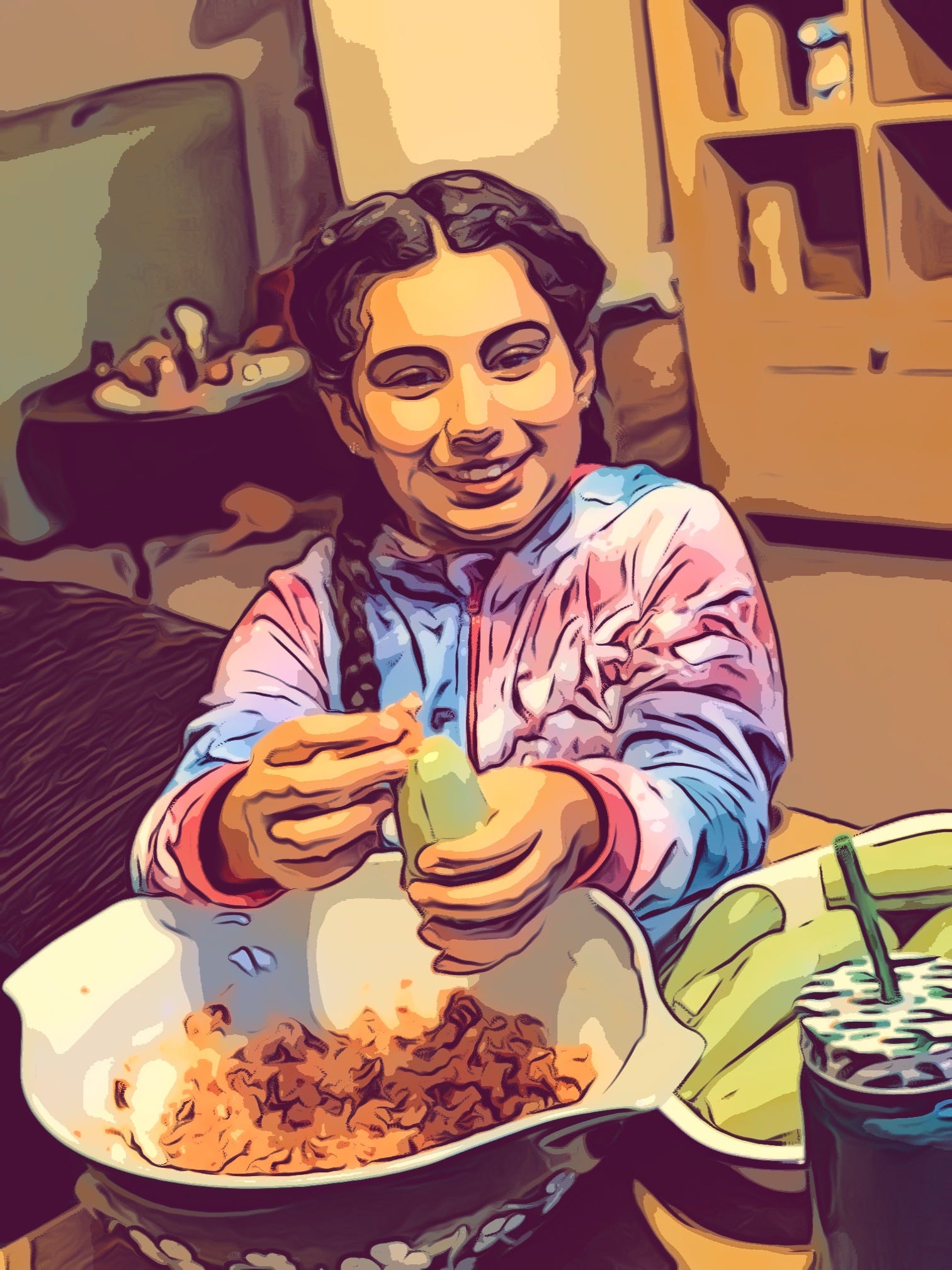
My little one loves bread. So, walking with him along the Raouché pier, where he’d happily munch on a warm kaak stuffed with dates, became our little tradition. The princess, my bold-flavoured child, adores all things sour and salty. Give her fava bean and lemon slices, sprinkled with cumin and cayenne pepper, and she’s in heaven.
I surrendered; to the memories, to the ache, but also to the joy of knowing I never really left Lebanon. It has always lived in me, in my hands as I knead dough, in my heart when I hear Fairuz at sunrise, in the tears that fall quietly into every meal I make.
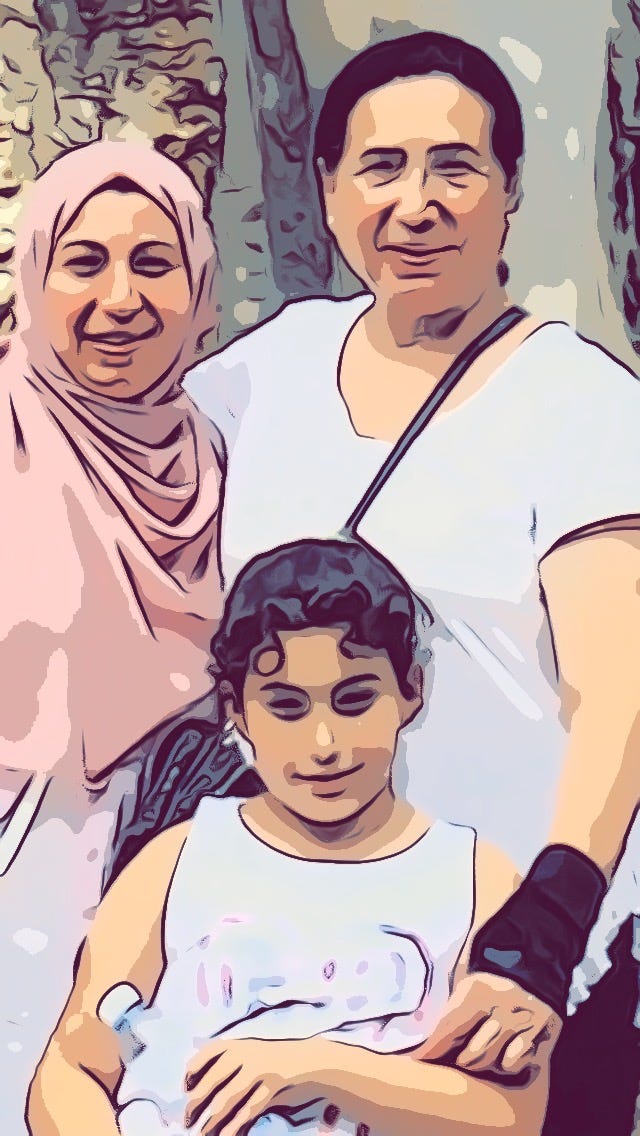
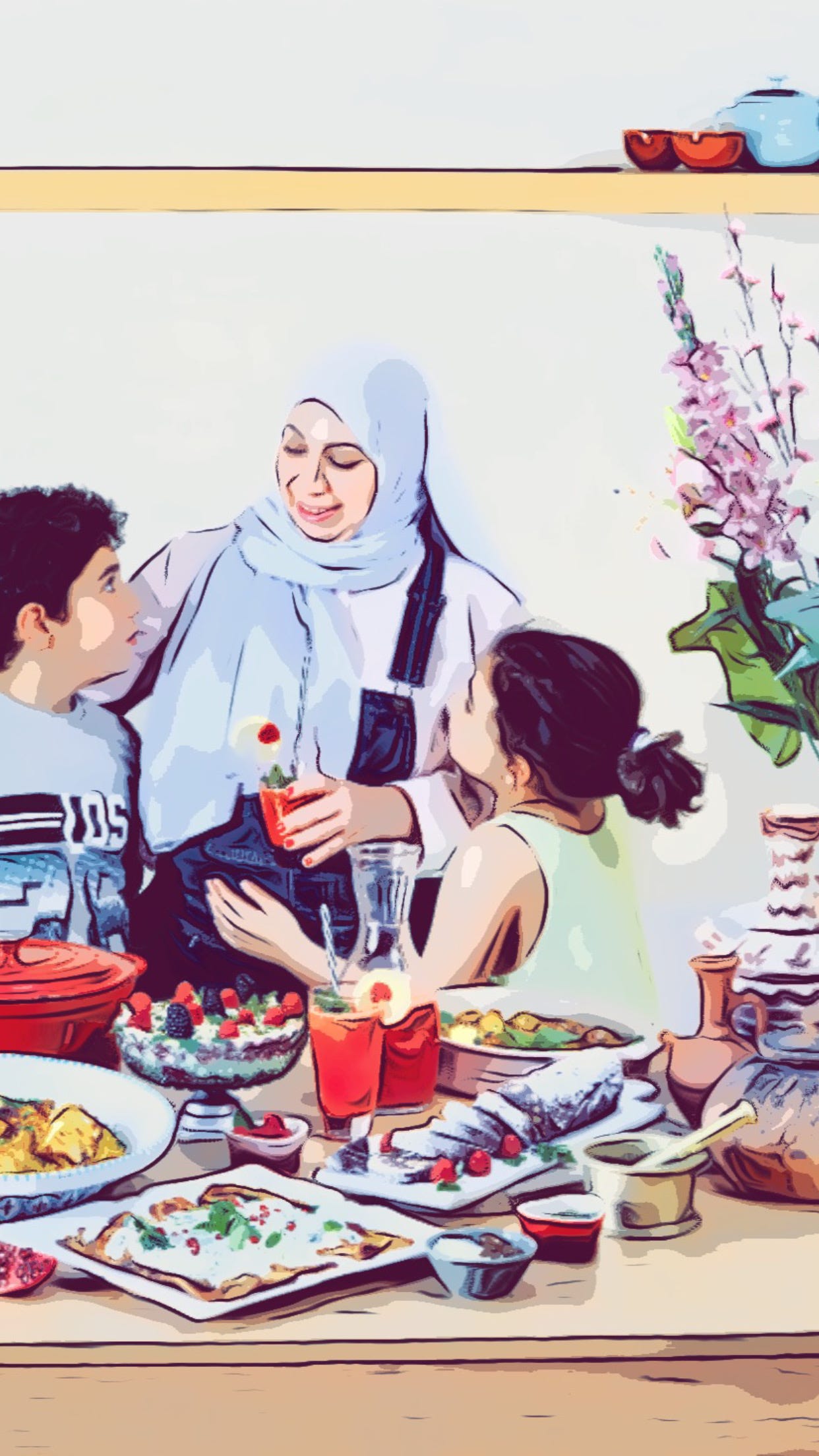
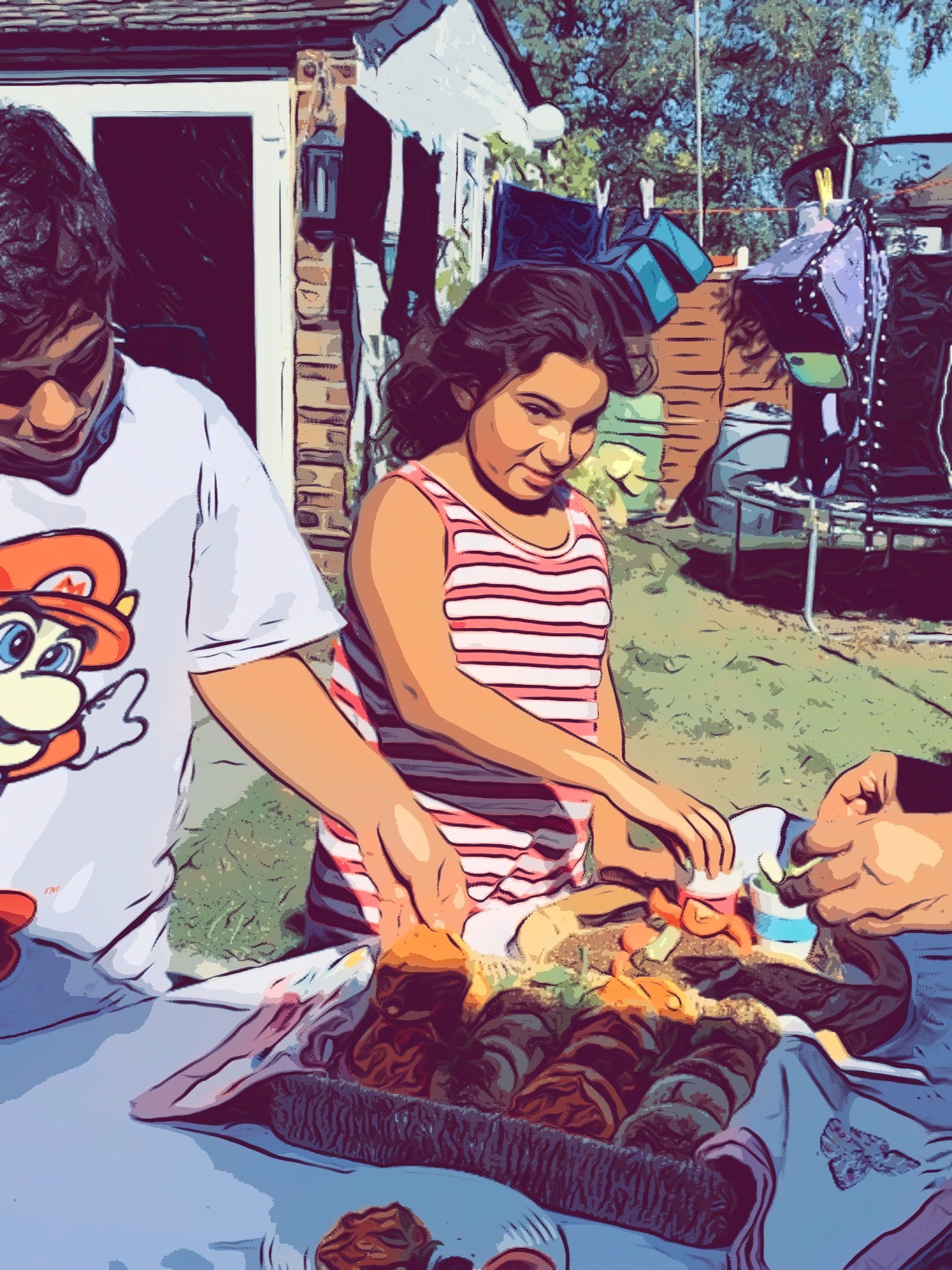
For those of us who left, or were born far from our homeland, the path home may not be physical. But there are many ways back. Sometimes, all it takes is a spoonful of lentil soup, a whisper of cumin, the scent of jasmine on a summer night.
These are my stories, but they are also the stories of every Lebanese migrant. Since the late 1800s, if not earlier, we’ve left Lebanon for the promise of something better, whether in the Americas, Europe, West Africa, or Australia. And yet, we carry it with us. The food. The music. The longing. The language. The jasmine in the back garden.
The question is no longer why did we leave? but how do we stay connected?
I believe it’s through food. Through taste. Through storytelling. Through sitting around a table, even in a foreign country, and recreating what our ancestors once made with love and survival in mind.
I pray we all stay on this route. That we continue to cook, to remember, to share, and to honour the journey. Our identity doesn’t fade just because we cross borders. It lives on; one mezze, one story, one memory at a time.
This is how we remember. This is how we belong.