Kaak

Lebanon’s Golden Crust of Culture and Comfort: With a special tribute to Kaak el Abbas
In the bustling bakeries of Beirut and the quiet mountain ovens of Lebanon’s villages, Kaak is more than just bread — it’s a memory, a comfort, and often, a symbol of resilience and devotion. Whether hung on carts in city streets or tucked into family pantries, Kaak has earned its place as a daily companion to tea, a street snack, or even a ritual offering.
At its core, Kaak refers to a wide category of Lebanese baked goods. Some are soft and fluffy like buns, while others are golden, dry, and crispy — perfect for dunking into tea or eating on the go. Though the forms and flavors vary by region and occasion, what binds them is their cultural significance and unmistakable scent of toasted sesame, anise, or mahlab wafting through the air.
One of the most beloved — and spiritually significant — of all Kaak varieties is Kaak el Abbas.
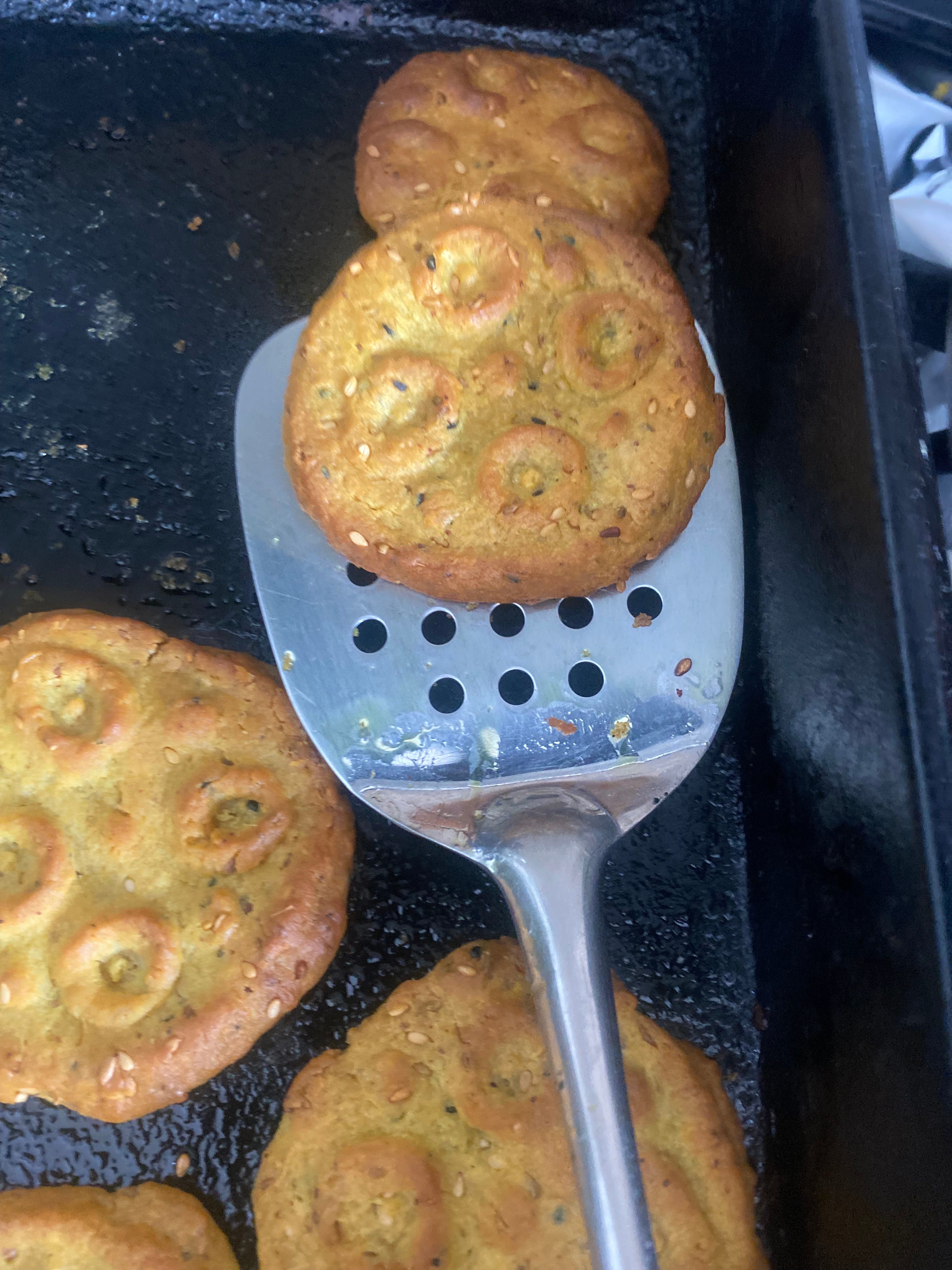
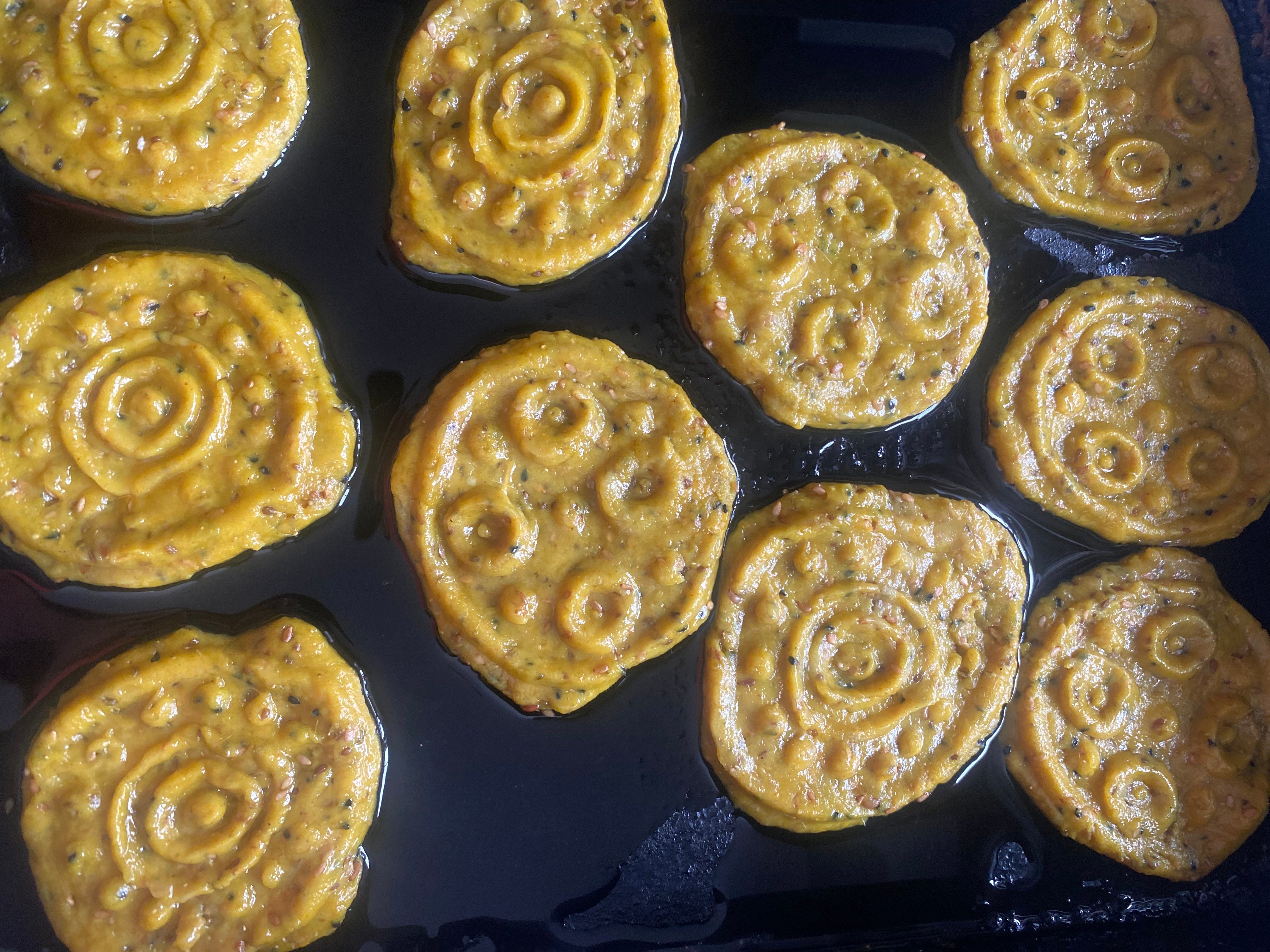
Kaak el Abbas: Bread with Devotion
Named after Al-Abbas ibn Ali, the revered figure from the Battle of Karbala, Kaak el Abbas holds a sacred place in Lebanese Shi’a traditions. These special biscuits are made and distributed during Ashura, a time of mourning and reflection. Though associated with grief, they are also an emblem of solidarity, memory, and community care.
Simple in appearance but rich in meaning, Kaak el Abbas is usually ring-shaped, dry, and flavored with spices like anise and mahlab. They’re handed out in homes, on the streets, and outside mosques — often wrapped or placed in decorative trays, shared freely with strangers and loved ones alike.
What sets Kaak el Abbas apart is not only its religious significance but the act of giving that accompanies it. For many, the making and sharing of these biscuits is an offering — a gesture of piety and remembrance.
Varieties and Rituals: A List of Kaak el Abbas Styles
While the basic ingredients stay the same, Kaak el Abbas comes in subtle regional and familial variations. Here’s a closer look at the most common types and customs tied to these sacred biscuits:
Classic Ring-Shaped Kaak
Crisp and golden, these are the most iconic. They are often scored or stamped with a simple pattern and baked in large batches for mass distribution.
Date-Stuffed Kaak el Abbas
Some households prepare a more indulgent version filled with a paste of dates, walnuts, or carob molasses, believed to sweeten the sorrow of Ashura.
Black Seed (Habbat el Barakeh) Kaak
Spiced with anise, mahlab, and black seeds, this variation is said to invoke blessings (barakeh) and protection — a common spiritual sentiment during religious rituals.
Decorated or Stamped Kaak
Using wooden molds or hand stamps, families imprint names or religious symbols into the dough before baking. These are especially popular for Nazr (vows made to God or in memory of a saint).
A Bite of Faith, a Crumb of Heritage
In every bite of Kaak el Abbas, there is a story — of sacrifice, solidarity, and enduring faith. While these biscuits may be made with humble ingredients, their role in Lebanese life, especially during sacred moments, is profound.
Kaak, in its many forms, continues to feed not just the body, but the collective memory of a people who bake tradition into every crust and crumb.