Kishk

Lebanon’s Fermented Treasure
Kishk is one of those dishes that feels like more than food. It’s history, survival, and comfort in a single bowl. The word itself comes from Persian kashk, a term for fermented dairy, and from there it spread, becoming Kishk in Lebanon and Syria, Kashk in Egypt and Iran, and Tarhana in Turkey. Each culture shaped it differently, but all share the same purpose: to preserve milk and grain for the lean winter months.
In Lebanon, Kishk belongs to the Beqaa Valley and Baalbeck, where August’s fierce sun hits 35–38C, perfect for natural drying. It all begins with humble bulgur wheat. In the Beqaa, people mix it with thick yogurt, often goat’s milk for a pungent, tangy depth, or cow’s milk for a smoother, gentler taste. I prefer goat, or a blend of both for that balance of flavour.
The mixture ferments for a couple of days, stirred gently, before it’s spread in blobs onto white cloths under the scorching sun. Over five to seven days, these blobs turn into hard stones of culture and memory. Families carry them to the communal mill, where they’re ground into a fine ivory powder: the Kishk that will sustain them through winter. Stored in jars or cotton sacks, it’s ready for hearty stews with lamb and onions, or as a tangy topping on manakeesh.
For me, Kishk is among the top ten Mounehessentials, in foods I always bring back from Lebanon. There is nothing like a steaming bowl of Kishk stew in autumn, paired with radishes, spring onions, mint, and olives. During COVID, when travel stopped and my stock ran low, I learned to make it myself in my British garden. The weaker sun took longer, but the process worked, and each year since, my garden has doubled as a little Beqaa Valley.
At home, we eat Kishk fresh (khadra), still soft with hints of fermentation, alongside onions, tomatoes, and mint. In winter, I make it with lamb, garlic, and onions—sometimes adding cubed potatoes, a tip from a family in the Baalbeck village of Aayaat. My children love it, whether in a bowl or spread onto manakeesh.
A Wider Tradition
Kishk has cousins across the region:
• In Palestine and Jordan, it’s also Kishk, often made with goat’s milk.
• In Egypt, Kashk is different, fermented milk with flour, often cooked into rich chicken sauces.
• In Turkey, Tarhana blends yogurt, flour, and vegetables, dried into soup powder.
• In Iran, Kashk is pure dairy, dried and reconstituted into a thick paste for dishes like āsh-e reshteh.
Different ingredients, same idea: a way to stretch the life of milk, grain, and sunshine into the colder months.
Food is a language of its own, one that needs no interpreter. Kishk is nourishment, hospitality, and love passed down through generations. But it is also fragile. Wars, migrations, and cultural loss can silence recipes as much as they silence voices. That is why we must keep sharing, teaching, and cooking.
When I stir a pot of Kishk today, I’m not just feeding my children. I’m handing them a piece of Lebanon, one that began under the Beqaa sun and now continues in our London kitchen, carried forward in taste, memory, and love.
Kishk with Lamb, Potatoes & Garlic (Lebanese Style)
This hearty stew is one of the most beloved ways to enjoy Kishkin Lebanon, especially in the Beqaa Valley. Served steaming hot with crunchy vegetables and olives, it carries the tang of fermented yogurt and the comfort of slow-cooked lamb.
Ingredients (serves 4)
• 2 medium onions, finely chopped
• 6 cloves garlic, peeled and left whole
• 1 large potato, peeled and diced
• 450g lamb (mini cubes or minced, according to preference)
• 1 cup Kishk powder (available in Middle Eastern shops)
• 20ml vegetable oil
• Salt, to taste
• 2–3 cups hot water
Method
1. Sauté the base Heat the vegetable oil in a wide pan. Add the diced potatoes and cook for 5 minutes until they begin to take on colour. Stir in the onions and continue cooking for about 12 minutes over medium heat, stirring occasionally, until soft and golden.
2. Brown the lamb Add the lamb cubes (or minced lamb) to the pan. Cook until browned on all sides, mixing well with the onions and potatoes. Add the whole garlic cloves and stir through.
3. Simmer gently Pour in just enough water to cover the lamb and potatoes. Reduce the heat and let the mixture simmer until both are tender, about 20–25 minutes.
4. Bring in the Kishk Sprinkle in the Kishk powder and stir quickly to combine. Immediately add 2 cups of hot water while stirring continuously to prevent lumps. The mixture should thicken into a creamy, tangy stew. Adjust with more hot water if needed for your preferred consistency.
1. Season & serve Taste and add a light pinch of salt if necessary (Kishk is naturally tangy and salty, so season sparingly). Serve hot, accompanied by plenty of fresh radishes, spring onions, mint leaves, and a bowl of olives.
Traditionally enjoyed at brunch or lunch in autumn and winter, this Kishk stew is both comforting and sustaining. It pairs beautifully with flatbreads and a spread of fresh vegetables.
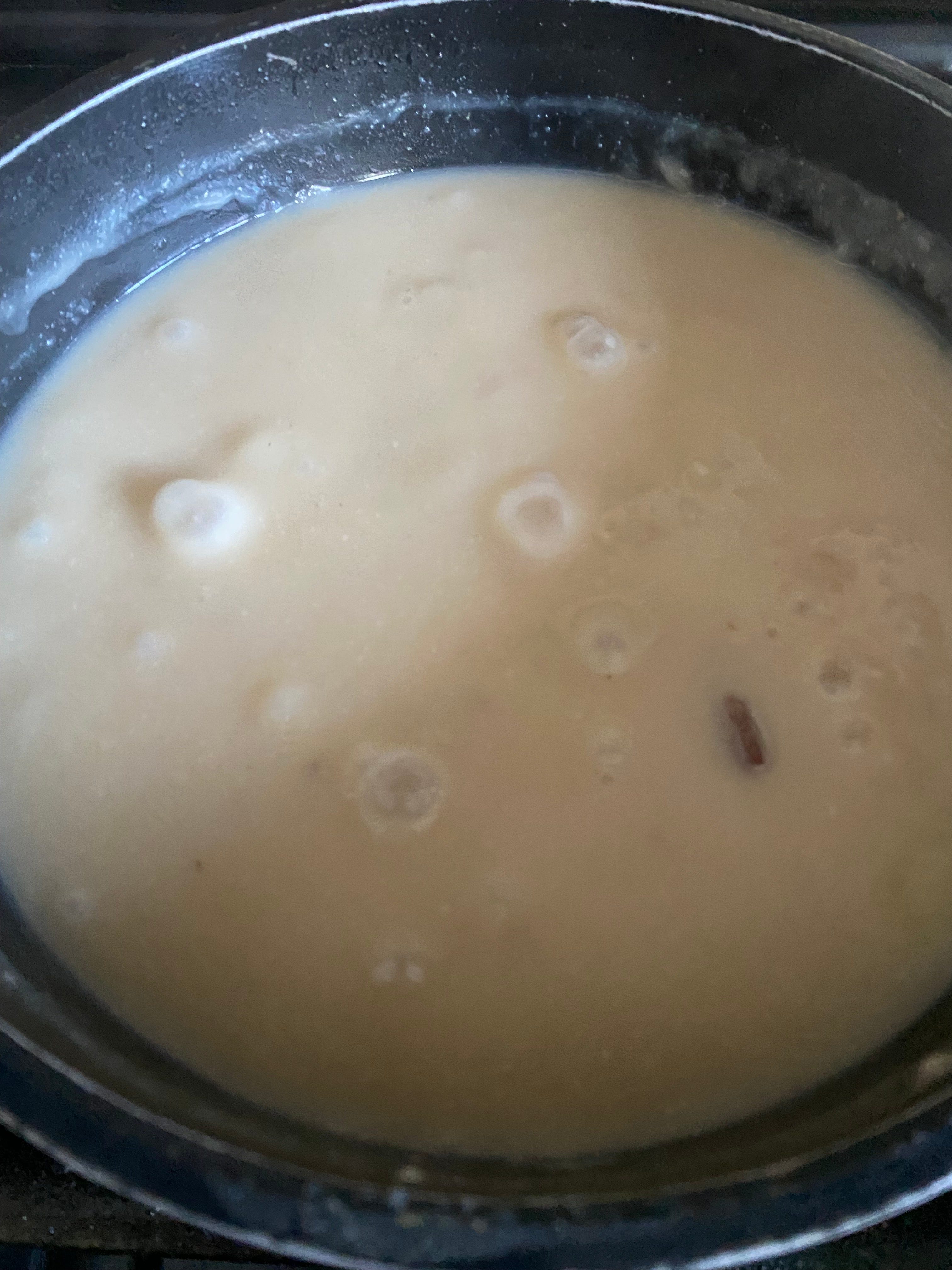
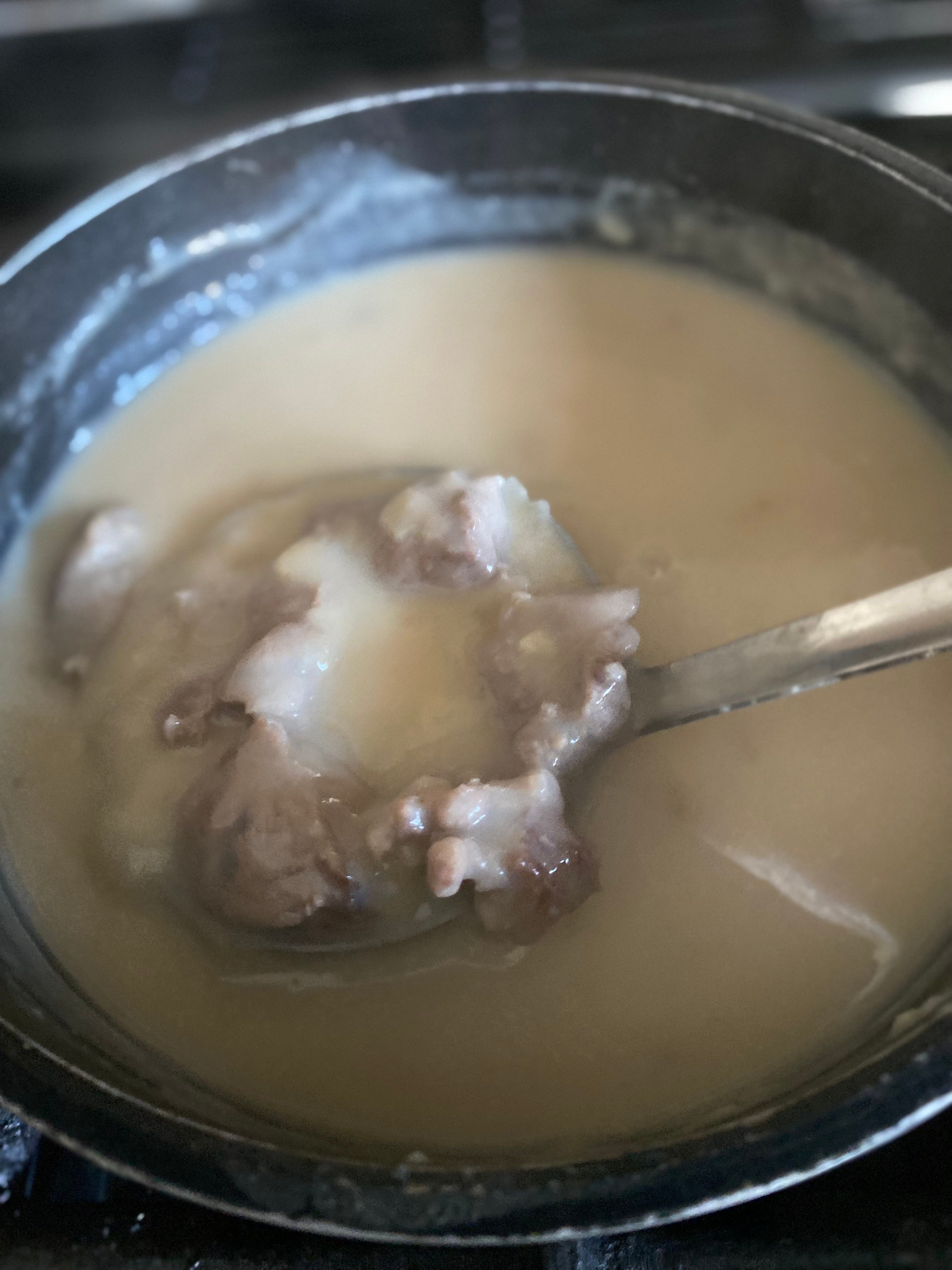
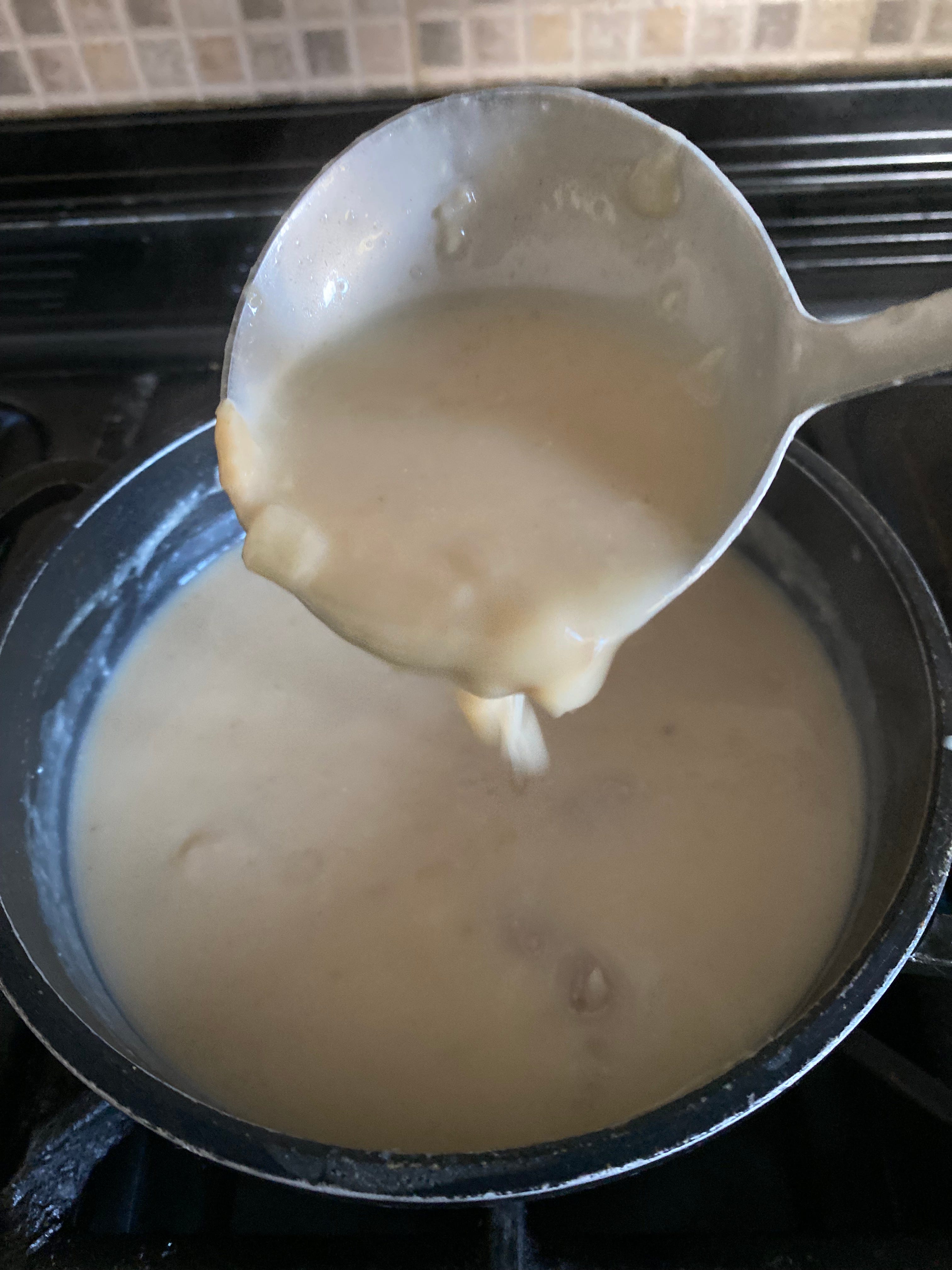
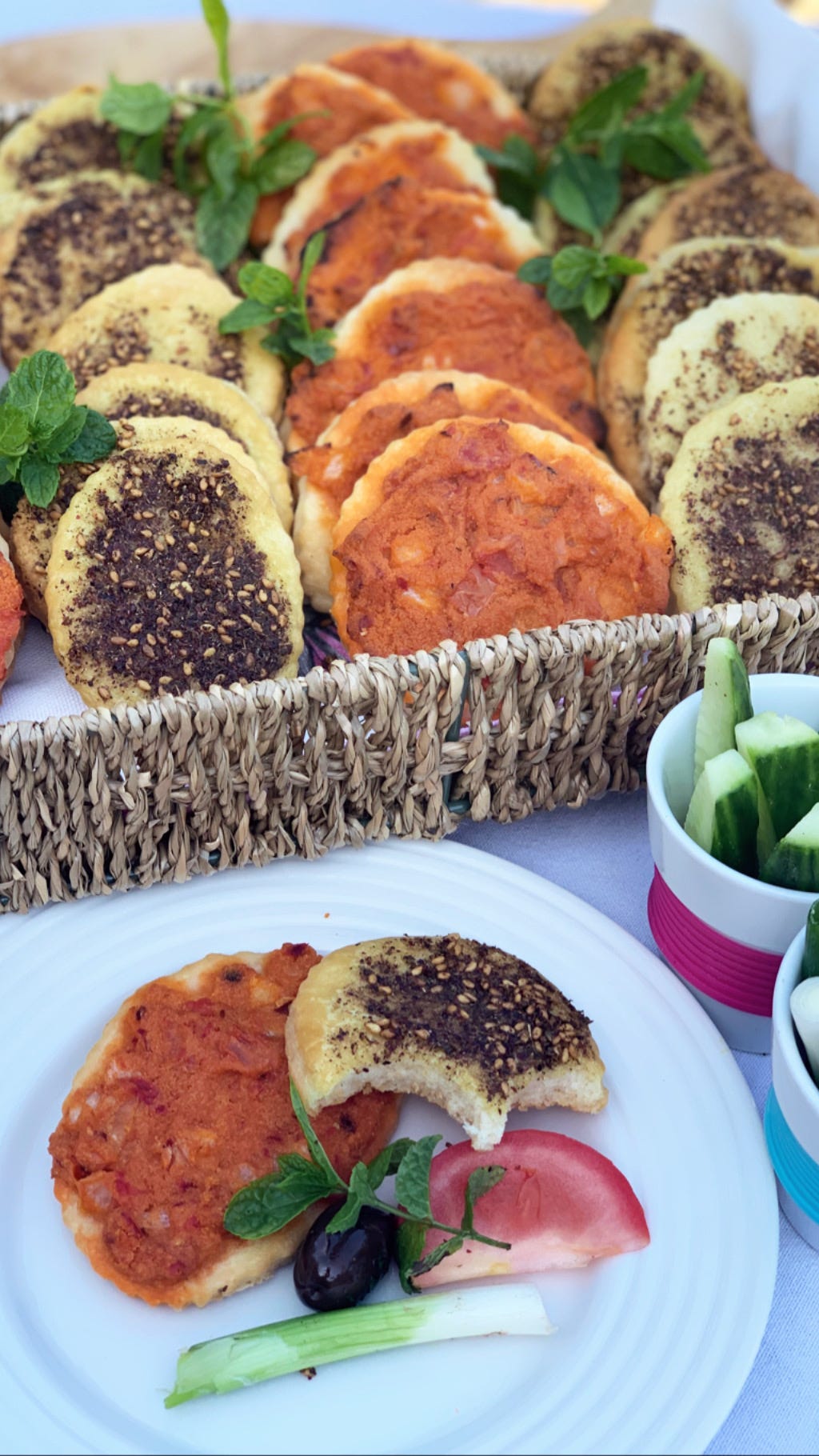
Photos at the top: Kishk with Lamb cubes
Last photo: Kishk manakeesh with the zaatar
©️All That’s Lebanese (Lina Saad)
Loved this! We eat Kishk with kobz/Lebanese bread 🥰
Kishk is one of my favourite soup. I eat it with kibbeh balls. Dilicious. Thank you all these informations. 🥰❤️